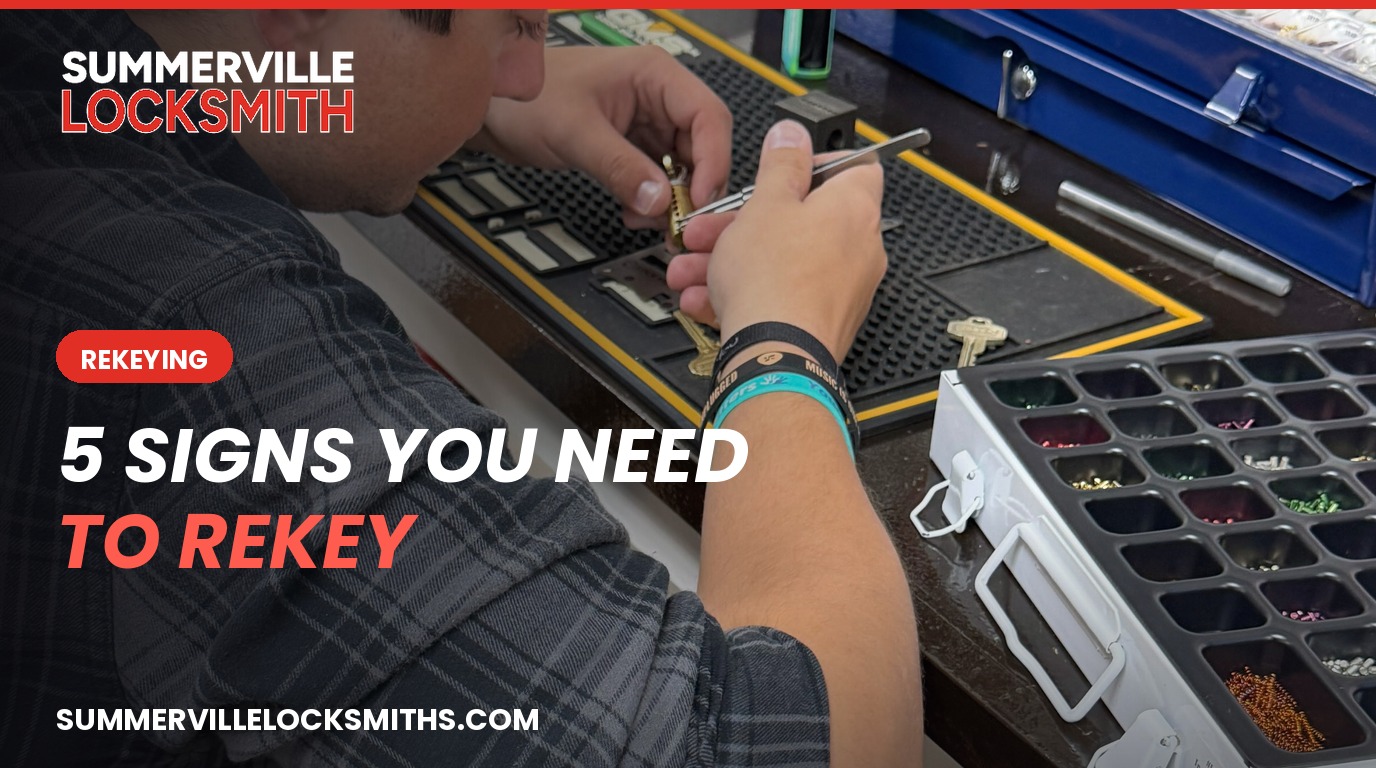
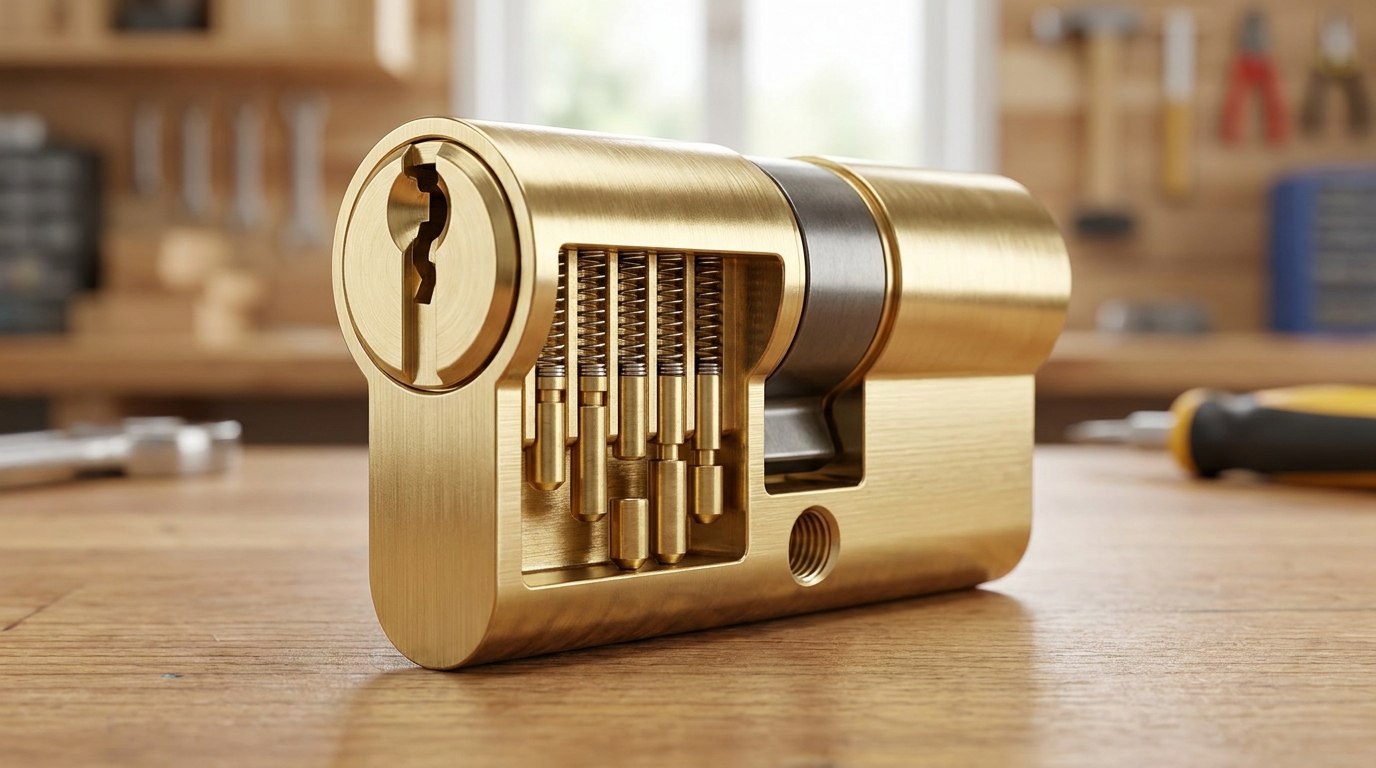
Rekeying changes the internal pins of a lock so old keys stop working and a new key takes over. The lock hardware stays on the door. That makes it cheaper and faster than buying new locks, and in most cases it gives you the same security result. The trick is knowing when rekeying solves the problem and when it doesn’t. Here are five situations where I tell homeowners it’s worth doing.
1. You Just Moved Into the Home
This is the most common reason, and the most overlooked. When you close on a house, you have no idea how many working keys are floating around. The previous owners, their kids, a cleaning service, a neighbor who watered the plants, the contractor who did the kitchen. Any of them could still have a key.
Rekeying every exterior lock on move-in day cuts all of those out at once. You don’t need to replace the deadbolts or knobs. A locksmith resets the pins and hands you a fresh set of keys that nobody else has ever held.
2. You Lost a Key or Had One Stolen
A single lost key is a real security gap, even if you think it probably fell out of your pocket at the park. If your keyring had anything identifying your address – a tag, a piece of mail, a car fob tied to a registration – treat it as compromised and rekey.
The same goes for a stolen purse or bag. The cost of rekeying is small next to the alternative of lying awake wondering whether someone is going to walk right in. Match keys to doors so the new key operates all your exterior locks, and you’re back to one key, full control.
3. A Roommate, Tenant, or Partner Moved Out
Relationships and living situations change. When someone leaves on bad terms, or even on good terms, you want to be sure they can’t return uninvited. Asking for the key back doesn’t help if they made copies, and copies are cheap and easy at any hardware store.
Landlords should rekey between every tenant as standard practice. For your own home, any change in who has access is a clean reason to reset the locks. This is also a good time to think about a broader look at your residential security, since locks are only one layer.
4. You Want Fewer Keys on Your Ring
If your front door, back door, and side gate each take a different key, you’re carrying three when you could carry one. A locksmith can rekey all of them to match a single key. This isn’t just about convenience. Fumbling through a crowded keyring in the dark is a small daily annoyance that adds up, and it makes it less likely you’ll actually lock every door.
Keyed-alike systems work well for most homes. If you have a mix of lock brands, bring one of each to a shop and they’ll tell you quickly what can be matched. Our team covers this and more through our full range of locksmith services in Summerville.
5. Your Key Is Getting Hard to Turn
A lock that sticks, catches, or takes jiggling to open is telling you something. Sometimes it’s worn pins or a worn key. Sometimes a copy of a copy of a copy has drifted far enough from the original that it no longer lines up cleanly. Rekeying with a fresh, factory-cut key often fixes the feel instantly because you’re starting over with clean pins and a precise key.
One caution here. If the whole mechanism is loose, the bolt drags against the strike plate, or the lock is visibly rusted or damaged, rekeying won’t save it. That’s a replacement. A good locksmith will tell you honestly which one you need instead of charging you for the cheaper fix and watching you come back in a month.
When Rekeying Isn’t Enough
Rekeying assumes the lock itself is in good working order. Here’s where I’d steer you toward other options instead:
- Old or low-grade locks. If a deadbolt turns with a strong push or the cylinder wobbles, upgrade the hardware.
- You want keyless entry. Rekeying keeps you on physical keys. A smart deadbolt removes them entirely, and a Level Bolt smart lock installation fits inside your existing door with no visible change from the outside.
- Damaged or forced locks. After a break-in attempt, the internals may be bent. Replace, don’t rekey.
How the Process Actually Goes
- The locksmith removes the lock cylinder from the door.
- Old pins come out and new pins matched to a new key go in.
- The cylinder goes back, and the new key is tested on the locked and unlocked position.
- You get the new keys. Old keys no longer work on that lock, period.
A single lock takes a few minutes once the pro is at your door. A typical three-door home is done in one visit.
Takeaway
If you’ve moved in, lost a key, parted ways with someone who had access, want one key for every door, or have a lock that’s getting stubborn, rekey now rather than later. It’s the inexpensive move that buys back control of who can enter your home. Pull your key and try every exterior lock this weekend. If any of these five signs apply, book the rekey before the next one does.